


Pivotal’s groundbreaking Helix eVTOL stands as a paradigm shift in personal air travel, offering an unprecedented level of accessibility and user-friendliness. This revolutionary single-person aircraft, classified as an ultralight aircraft under FAA regulations, eliminates the need for a pilot’s license, opening up the skies to a wider range of individuals.

18
Jan
Jan
Japanese company ALI Technologies had already started selling extreme aircraft, but strict regulations and the astronomical price of the flying engine meant that business did not go as planned. However, bankruptcy is not the end of the story: a new and much cheaper version of the flying motorcycle is in the pipeline.

18
Jan
Jan
EHang, a Chinese eVTOL (electric vertical take-off and landing) manufacturer, has made remarkable strides in the urban air mobility (UAM) sector. Their latest achievement, the EH216-S, represents a significant advancement in pilotless aerial transportation. This autonomous, two-seater air taxi, capable of carrying passengers without the need for a pilot, marks a new era in urban travel.
17
Jan
Jan
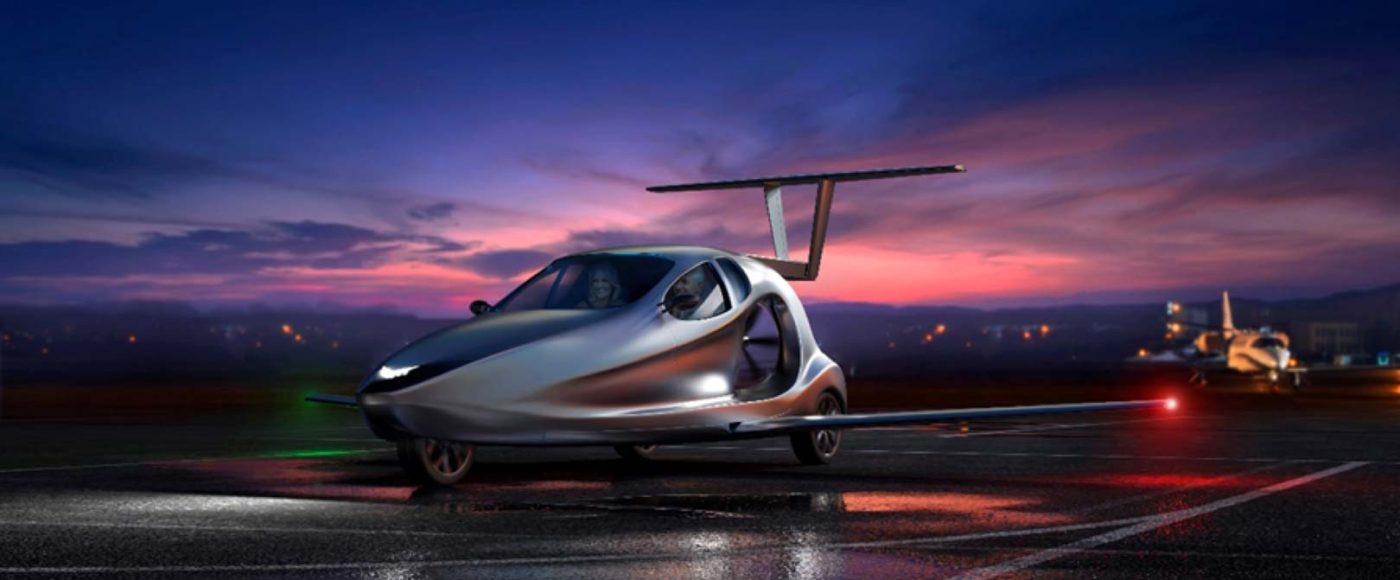
Samson Sky has recently achieved a significant milestone by obtaining their seventh patent, this time from the United Kingdom, for their innovative Switchblade Flying Sports Car. This patent particularly recognizes the unique wing-swing design integral to the vehicle.

17
Jan
Jan
In an era where the demand for uninterrupted power is escalating, Betavolt, a visionary startup based in Beijing, has taken a significant leap in battery technology. The company has developed the BV100, a nuclear battery smaller than a coin, promising to revolutionize how we power our devices. This innovative battery, utilizing the energy from decaying nickel-63 isotopes and a diamond semiconductor, can potentially supply power for an astonishing 50 years without the need for charging or maintenance.

17
Jan
Jan
In the realm of aviation, the tides are turning towards sustainability and reduced environmental impact. At the forefront of this transformation is the development of Hydrogen Electric Propulsion Systems (HEPS). The Moscow Aviation Institute has been pivotal in advancing HEPS, leveraging superconducting electrical machines and hydrogen cooling systems.