

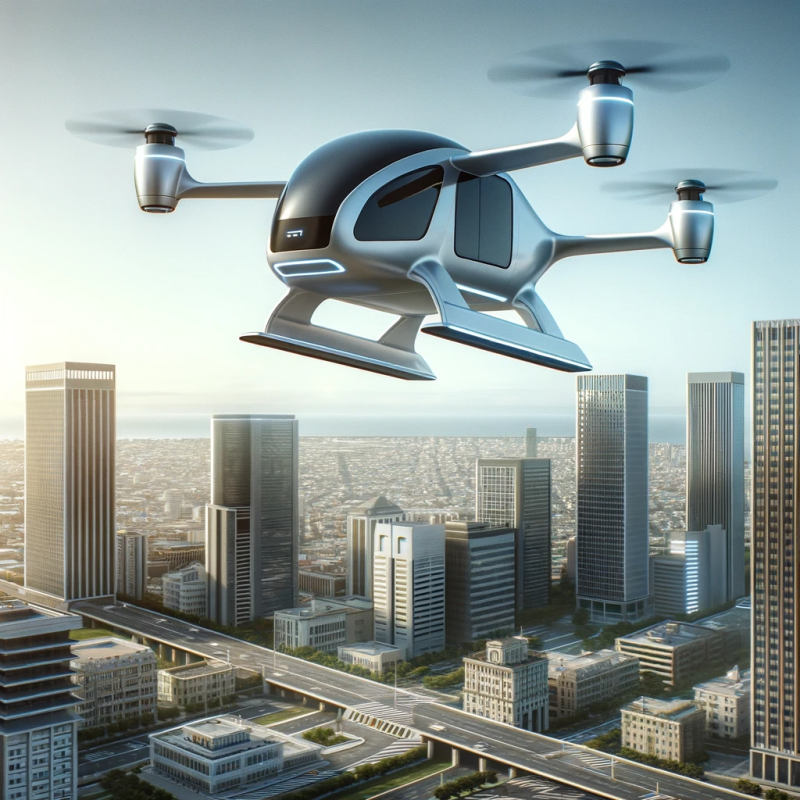
Urban Air Mobility (UAM) is evolving into a cornerstone of modern transportation, promising a future where air taxis and ride-sharing services soar above congested city streets. As we stand on the brink of this aerial revolution, it’s crucial to delve into the communication systems that will underpin its safety and efficiency.
08
Jan
Jan
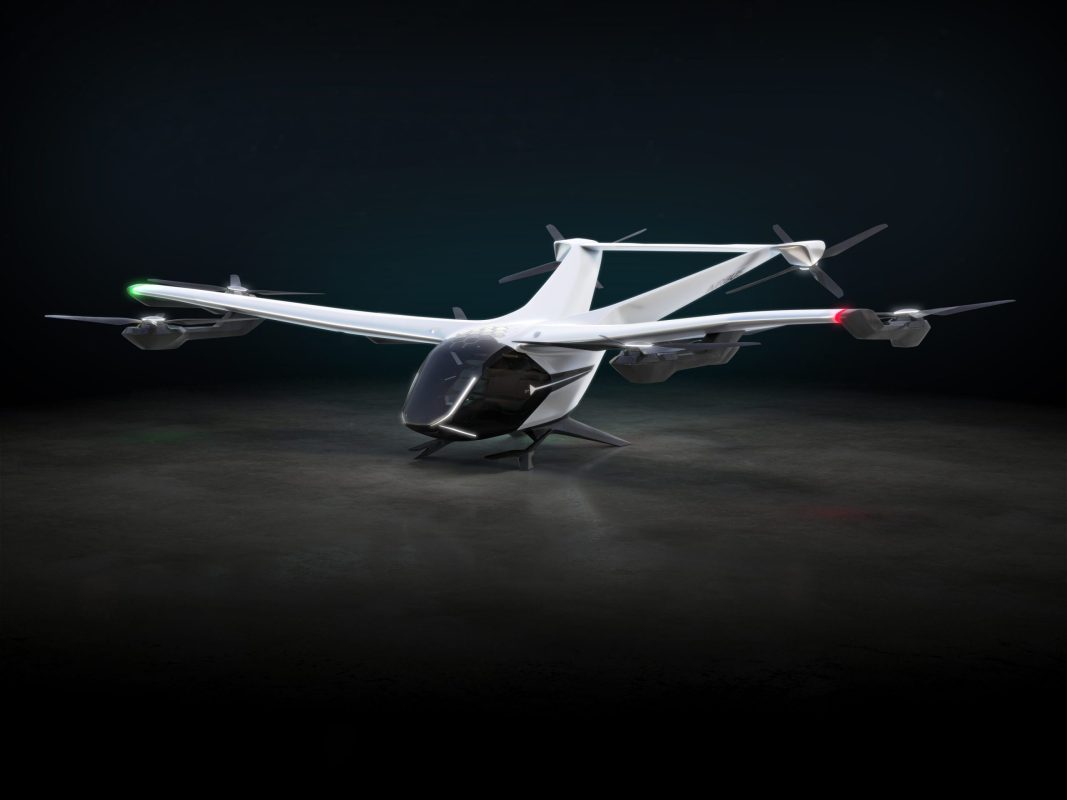
In the bustling corridors of aerospace innovation, a partnership is taking shape that’s poised to redefine urban mobility. Airbus, a titan in the aviation industry, has joined forces with MAGicALL, a Californian specialist in electric propulsion, to create the CityAirbus NextGen – a forerunner in the eVTOL (Electric Vertical Take-Off and Landing) space. This collaboration, announced on May 10, 2023, is not just about developing an aircraft; it’s about crafting a new narrative for urban transportation.

08
Jan
Jan
In the ever-evolving landscape of aviation, a quiet revolution is taking place, reshaping how we perceive urban travel and rural emergency services. This metamorphosis is driven by the integration of vertiports into existing airports and urban environments across the United States, a development that is not just about embracing new technology but also about reimagining our cityscapes and enhancing life-saving services in rural areas.

08
Jan
Jan
In the rapidly evolving landscape of urban air mobility, Hyundai Motor Group’s latest foray, the Supernal eVTOL (electric vertical take-off and landing) aircraft, stands as a testament to the burgeoning sector’s potential. This comprehensive article delves into the various facets of Hyundai’s ambitious project, aiming to elucidate the intricacies of this cutting-edge technology and its implications for future urban transportation.

07
Jan
Jan
In the waning days of November, a groundbreaking development in the realm of aviation was unveiled by Lyte Aviation. This revelation came in the form of a captivating animated presentation, showcasing the future of air transportation through their innovative creation, the SkyBus. This is not just another addition to the burgeoning air taxi market; rather, it is a leap forward, offering a high-capacity air bus designed to transport up to forty passengers, alongside a crew consisting of two pilots and two attendants.