


The emerging electric Vertical Take-Off and Landing (eVTOL) aircraft market, projected to reach a staggering $24.22 billion by 2030, is at the forefront of a major transportation revolution. Driven by a combination of environmental imperatives and technological advancements, particularly in battery technology, this market is reshaping the future of urban mobility.
26
Jan
Jan
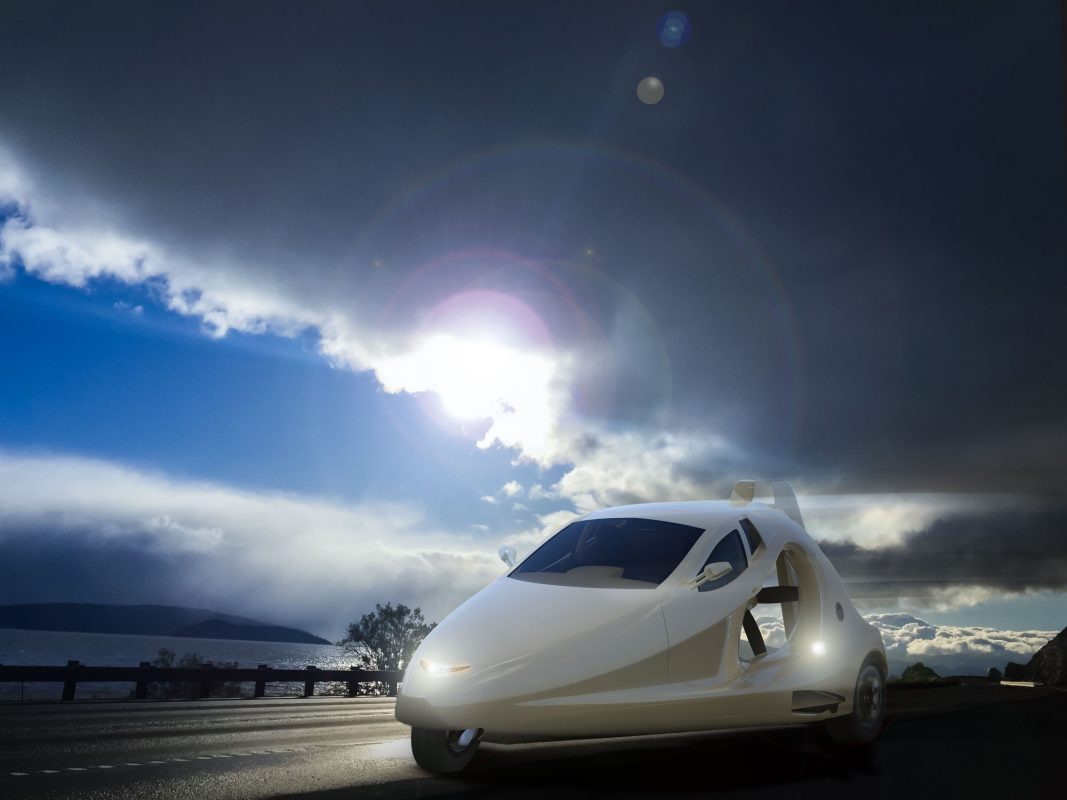
Legislative bodies across the US are actively working to facilitate the registration and licensing of roadable aircraft in all 50 states. Leading this innovative field are two US companies, Samson Sky and Alef, along with two European contenders, Pal-V and Klein. These companies are expected to commence production in 2025.

25
Jan
Jan
In the rapidly evolving landscape of electric vertical take-off and landing (eVTOL) aircraft, hybrid models are emerging as a significant trend, offering a blend of electric propulsion and conventional engines or fuel cells. This hybrid approach, while still embracing the eco-friendly ethos of electric motors, is seen as a pragmatic solution to enhance range and payload capacity, addressing some of the key limitations of purely electric eVTOLs.
24
Jan
Jan
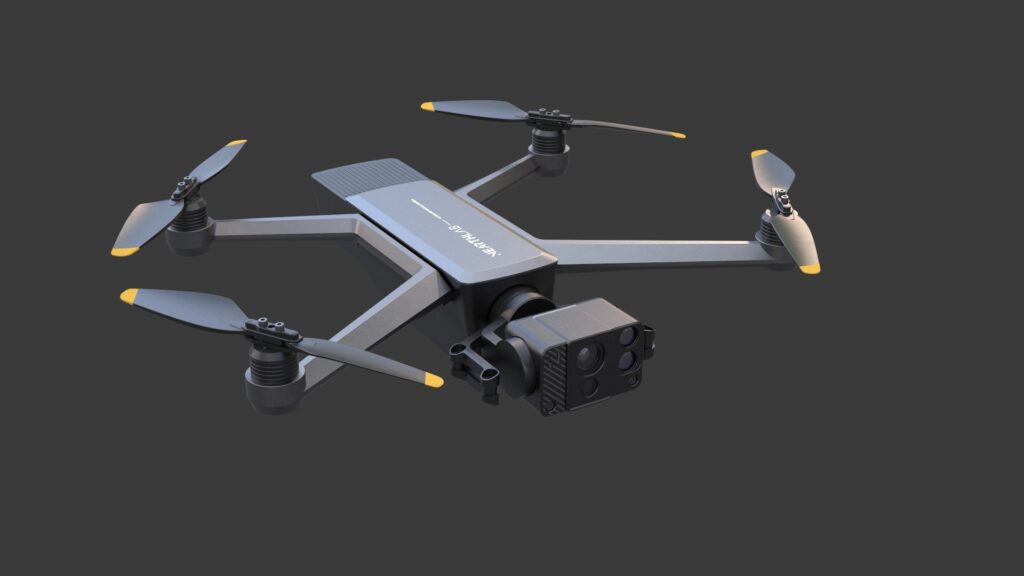
Nearthlab, a forefront innovator in drone technology, has recently unveiled its latest achievement, the AIDrone, at the Consumer Electronics Show (CES) in January 2024. This cutting-edge drone is a harmonious blend of artificial intelligence (AI) and advanced drone technology, poised to transform various industry landscapes.

23
Jan
Jan
In December 2023, Kitty Hawk, a pioneering aviation startup operating from the technological hub of Silicon Valley, revealed its latest venture into urban air mobility – the Heaviside electric aircraft. Funded by Google’s co-founder, Larry Page, Kitty Hawk has made a significant leap in addressing the burgeoning need for efficient and sustainable urban transportation solutions.

22
Jan
Jan
The rapid development of electric Vertical Take-Off and Landing (eVTOL) aircraft is not only reshaping aerial mobility but also necessitating a parallel evolution in ground infrastructure, particularly vertiports. These specialized airports for vertical take-off and landing aircraft are critical nodes in the envisioned urban air mobility (UAM) network.