


For decades, the idea of an airship renaissance has surfaced again and again. This time, however, China has delivered something tangible. Its first domestically designed airship, the AS700, is no longer merely a prototype it is a production-ready aircraft prepared for serial manufacturing.

26
Mar
Mar
The development of combat drones represents one of the most significant technological and strategic shifts in modern military doctrine. Over the past decade, Unmanned Combat Aerial Vehicles (UCAVs) have evolved from auxiliary intelligence-gathering tools into central components of offensive and defensive operations. In the United States, this transformation is driven by a combination of geopolitical imperatives, advancements in artificial intelligence, and increasing demands for operational efficiency and force protection.

06
Aug
Aug
In the realm of cutting-edge technology, the ability to blend seamlessly into the environment is a tactical advantage that has been sought after for decades. Today, this aspiration takes form in the guise of biomimetic drones, devices that mirror the natural world to the point of deception. These sophisticated machines are revolutionizing surveillance and military operations, taking cues from nature to become nearly indistinguishable from real birds. The potential implications of such technologies are vast, influencing military strategy, privacy concerns, and the very way we perceive the skies above us.
24
Jan
Jan
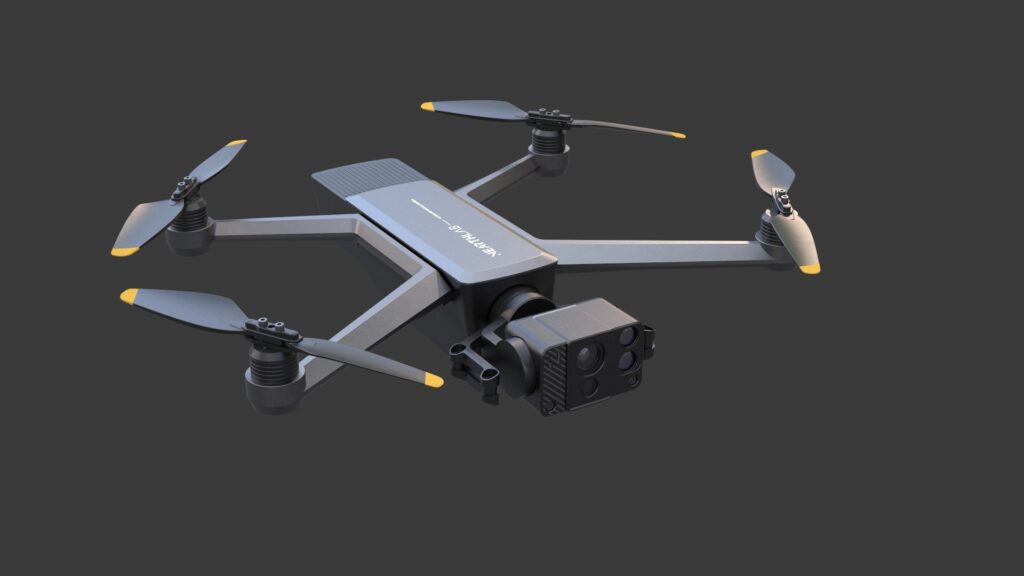
Nearthlab, a forefront innovator in drone technology, has recently unveiled its latest achievement, the AIDrone, at the Consumer Electronics Show (CES) in January 2024. This cutting-edge drone is a harmonious blend of artificial intelligence (AI) and advanced drone technology, poised to transform various industry landscapes.

25
Apr
Apr
In recent years, drones have emerged from being mere toys for hobbyists to versatile tools that can save human lives in dire situations. As the technology continues to develop, drones are proving indispensable in various sectors, from disaster relief to healthcare.