


Electric Vertical Take-off and Landing (eVTOL) aircraft represent a major leap forward in aviation technology, offering a novel approach to air transport that goes beyond the traditional operation of conventional aircraft. The safety benefits of eVTOL aircraft stem from their innovative design, redundant systems and operational environment, positioning them as a potentially safer way to travel in the future.
12
Mar
Mar
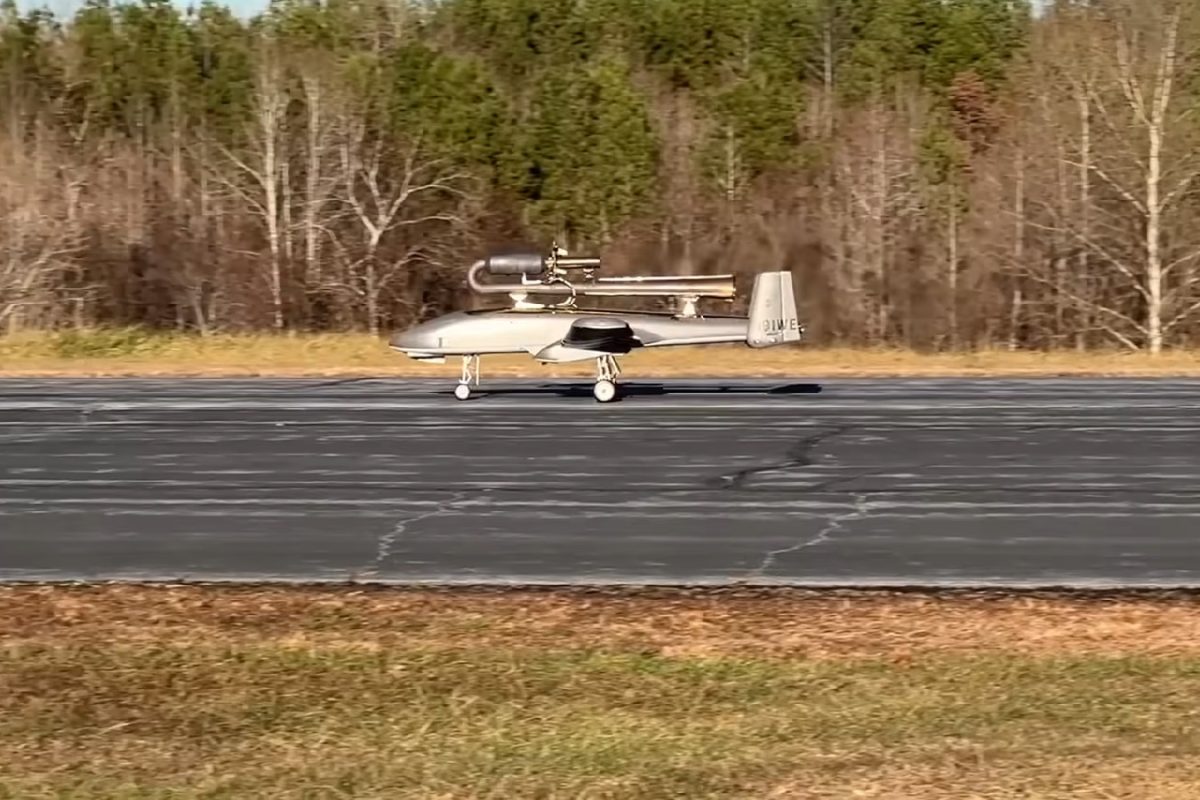
The jet engine without moving parts is not new, but it is too expensive to become widespread. But change could come, and one company is actively experimenting with it. When people think of a jet engine, most people think of the gas turbine version used on modern airliners. In this, the turbine, a rotating component, provides the thrust. But there are also systems that do not require a moving part: pulsating or pulsating jet engines.

06
Mar
Mar
The transition toward electric aircraft represents a transformative leap for the aviation industry, promising to reshape the economics of flying while addressing urgent environmental concerns. This exploration delves into the myriad of economic challenges and opportunities that electric aircraft embody, juxtaposed against their traditional, combustion engine counterparts.

28
Feb
Feb
In a landmark move for aviation technology, CycloTech, an Austrian pioneer in innovative flight propulsion technology, has announced a successful 20 million Euro investment, marking a significant milestone in the development of its groundbreaking propulsion system. This investment, contributed by Breeze Invest and Konos Holding, underscores the industry’s confidence in CycloTech’s vision and its potential to redefine the future of air mobility.

31
Jan
Jan
Sirius Aviation, hailing from Switzerland, is at the forefront of integrating fuel cell technology into electric eVTOLs, aiming for maximal ecological sustainability. The company promises that these aircraft will operate without any emissions and minimize environmental impact during their operation, while also delivering exceptional comfort and impressive travel range.

25
Jan
Jan
In the rapidly evolving landscape of electric vertical take-off and landing (eVTOL) aircraft, hybrid models are emerging as a significant trend, offering a blend of electric propulsion and conventional engines or fuel cells. This hybrid approach, while still embracing the eco-friendly ethos of electric motors, is seen as a pragmatic solution to enhance range and payload capacity, addressing some of the key limitations of purely electric eVTOLs.