


In the ever-evolving world of aviation, a one-size-fits-all approach to motor design is rapidly becoming a relic of the past. The divergent needs of modern aircraft such as the Airlander 10 airship and urban eVTOL (Electric Vertical Take-Off and Landing) vehicles illustrate this shift vividly.
29
Aug
Aug
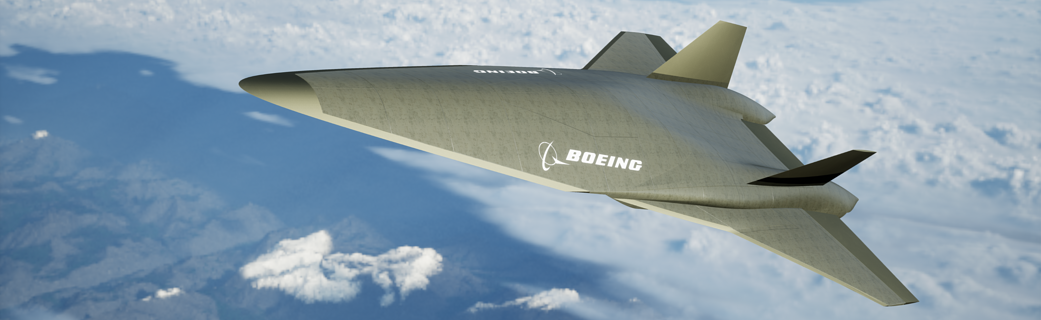
Imagine soaring from New York to London in less time than it takes to finish an average movie. NASA’s recent groundbreaking venture is aimed at revolutionizing transatlantic travel. They’ve embarked on the creation of a supersonic passenger jet that boasts a blistering top speed of Mach 4 (approximately 4,900 km/h). To put this in perspective, this not only doubles Concorde’s impressive Mach 2 (2,450 km/h) speed but also outpaces the famed SR-71 Blackbird spy plane that had a design speed of Mach 3.2 (3,920 km/h).

08
Apr
Apr
Venus Aerospace, a US-based company, has been pursuing a groundbreaking concept: the development of an aircraft capable of reaching nine times the speed of sound. This impressive feat would allow passengers to travel anywhere in the world within just 60 minutes. Although news about the company’s progress has been relatively scarce since the summer of 2022, recent reports indicate that important strides have been made towards turning this ambitious idea into a reality. With a target launch date of 2030, Venus Aerospace is hard at work refining their technology.