

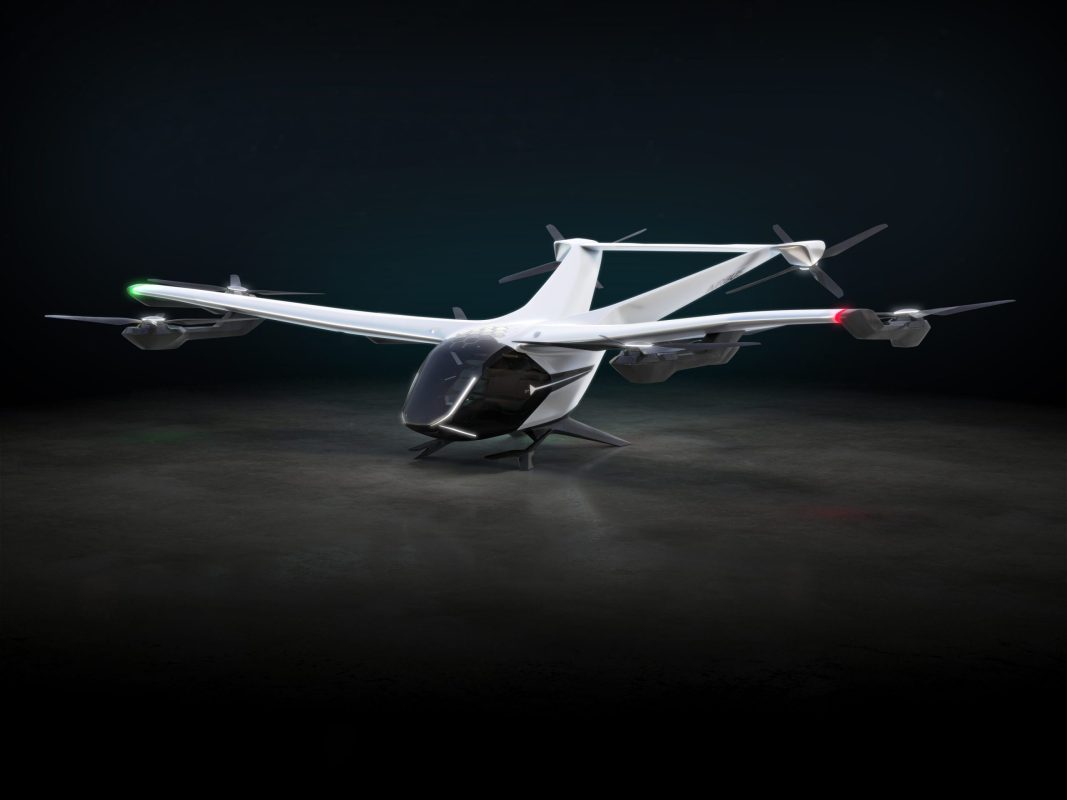
In the bustling corridors of aerospace innovation, a partnership is taking shape that’s poised to redefine urban mobility. Airbus, a titan in the aviation industry, has joined forces with MAGicALL, a Californian specialist in electric propulsion, to create the CityAirbus NextGen – a forerunner in the eVTOL (Electric Vertical Take-Off and Landing) space. This collaboration, announced on May 10, 2023, is not just about developing an aircraft; it’s about crafting a new narrative for urban transportation.

19
Aug
Aug
The PIBOT project under the auspices of KAIST (Korea Advanced Institute of Science & Technology) has stirred global attention, as it promises a humanoid machine capable of handling intricate aviation tasks. These human-like robots might be the co-pilots of our future.

24
Jun
Jun
Airbus, a leading global player in the aerospace sector, has launched a revolutionary step in airplane automation. The company’s experimentation with an Airbus A350-1000 aircraft has produced a system that doesn’t merely control the plane, but communicates in human speech with air traffic controllers. The project, termed DragonFly, has propelled Airbus into a new era of technology and has transformed the traditional understanding of air travel.

23
Jun
Jun
Imagine the scene: you look up from the crowded pavement of your metropolitan home and instead of seeing the occasional plane or helicopter, you see a swift, whispering sound of vehicles darting back and forth across the sky. This is not a scene from a science fiction film, but a vision of a future where air taxis and flying vehicles play an important role in public transport. But what will it take for them to become widespread ?

16
Jun
Jun
The sky of the future holds a fresh vision of Airbus. A gleaming, brand-new incarnation of the European aircraft manufacturing giant’s A320neo family is anticipated to make its debut sometime between 2035 and 2040. Ambitious targets set the prospective fuel consumption at 20-25% less than current levels, but numerous obstacles remain. Central to these is the necessity of fine-tuning the Open Fan technology, a cutting-edge engine design developed by CFM.

06
Jun
Jun
Navigating the dawn of a fresh chapter in aviation, Airbus recently shared its audacious plans for transforming air travel by 2035 with the unveiling of its Airspace Cabin Vision 2035+ concept. This strategic blueprint paints a picture of future aircrafts as the epitome of innovation and sustainable design. Let’s take a closer look at what this evolution in flight might mean for travelers and the planet alike.