

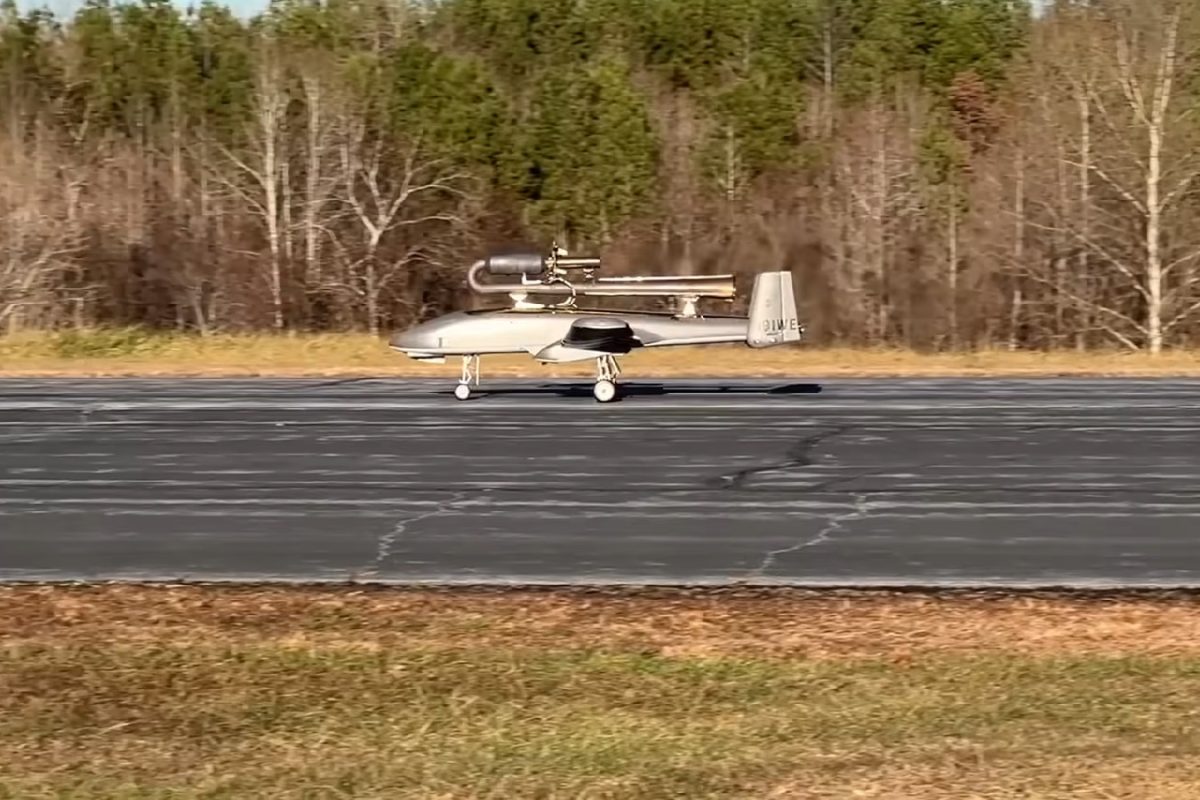
The jet engine without moving parts is not new, but it is too expensive to become widespread. But change could come, and one company is actively experimenting with it. When people think of a jet engine, most people think of the gas turbine version used on modern airliners. In this, the turbine, a rotating component, provides the thrust. But there are also systems that do not require a moving part: pulsating or pulsating jet engines.

10
Mar
Mar
The dream of mass-market flying cars and electric Vertical Take-Off and Landing (eVTOL) aircraft hinges not only on technological innovation but also on overcoming significant economic hurdles. These challenges span from manufacturing costs and price points to regulatory approvals and infrastructure investments, all pivotal to the economic viability of these futuristic modes of transportation.

09
Mar
Mar
Electric planes are emerging as a promising solution to the environmental challenges posed by traditional aviation, offering the potential for zero emissions at the point of use, reduced noise pollution, and lower operational costs. Companies like Eviation with their Alice aircraft and Airbus with the E-Fan X project are at the forefront of this innovation, developing electric planes that are already undergoing test flights.

08
Mar
Mar
Imagine a world where rush hour traffic is a distant memory, and commutes are measured not in minutes stuck on congested roads, but in breathtaking cityscapes whizzing by beneath you. This is the future that Airbus hopes to create with its innovative CityAirbus NextGen, an all-electric vertical take-off and landing (eVTOL) vehicle poised to revolutionize urban transportation.

07
Mar
Mar
California-based Alef Aeronautics has captured headlines with its Model A, a revolutionary electric vertical take-off and landing (eVTOL) vehicle. This article delves into the Model A’s potential to disrupt urban mobility, while acknowledging the technical and regulatory hurdles it faces.

06
Mar
Mar
The transition toward electric aircraft represents a transformative leap for the aviation industry, promising to reshape the economics of flying while addressing urgent environmental concerns. This exploration delves into the myriad of economic challenges and opportunities that electric aircraft embody, juxtaposed against their traditional, combustion engine counterparts.