


In the realm of cutting-edge technology, the ability to blend seamlessly into the environment is a tactical advantage that has been sought after for decades. Today, this aspiration takes form in the guise of biomimetic drones, devices that mirror the natural world to the point of deception. These sophisticated machines are revolutionizing surveillance and military operations, taking cues from nature to become nearly indistinguishable from real birds. The potential implications of such technologies are vast, influencing military strategy, privacy concerns, and the very way we perceive the skies above us.

01
Jun
Jun
As the advent of eVTOLs (electric Vertical Take-Off and Landing aircraft) draws closer, public perceptions and societal acceptance of these innovations become increasingly critical. The integration of eVTOLs into urban air mobility (UAM) systems promises to revolutionize transportation, yet it faces a myriad of challenges in gaining widespread public endorsement. Understanding these perceptions and addressing concerns is essential for the successful deployment of eVTOL technology.

04
May
May
The pace of eVTOL adoption will vary largely based on existing technological infrastructure. Developed nations, already at the forefront of technological sophistication, have the advantage of advanced transportation systems that can readily support eVTOL operations. These countries boast an environment conducive to rapid adoption due to higher government investments in vertiports, charging stations, and air traffic management systems.
19
Feb
Feb
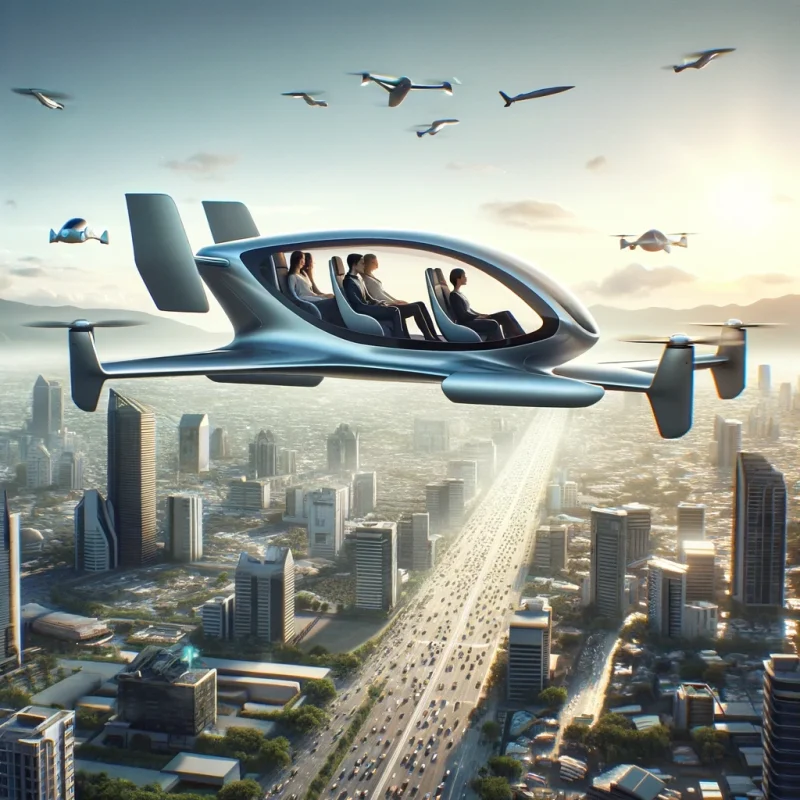
The future of urban air mobility, particularly with electric Vertical Takeoff and Landing (eVTOL) vehicles and flying cars, is on the brink of transforming transportation as we know it. Enthusiasm for this technology is not unfounded, given the rapid advancements in battery technology and electric propulsion systems, as well as increasing interest from companies and governments worldwide.

21
Apr
Apr
As the world grapples with the challenges of climate change and increasing environmental concerns, the aviation industry is experiencing a paradigm shift. The transition from fossil fuel-powered aircraft to electric aviation is no longer a distant dream, but a reality unfolding before our eyes. With electric aviation promising reduced greenhouse gas emissions and noise pollution, it is vital to explore the measures required to accelerate its adoption and ensure its sustainable development.

30
Mar
Mar
Imagine a world where flying cars zip through the skies, efficiently transporting passengers and cargo above bustling city streets. This once-futuristic vision is rapidly becoming a reality, with electric vertical take-off and landing (eVTOL) vehicles poised to reshape the urban landscape. As the technology advances and regulatory frameworks solidify, the question on everyone’s mind is: How fast can the world adopt flying cars and eVTOLs, and when will they become commonplace ?