

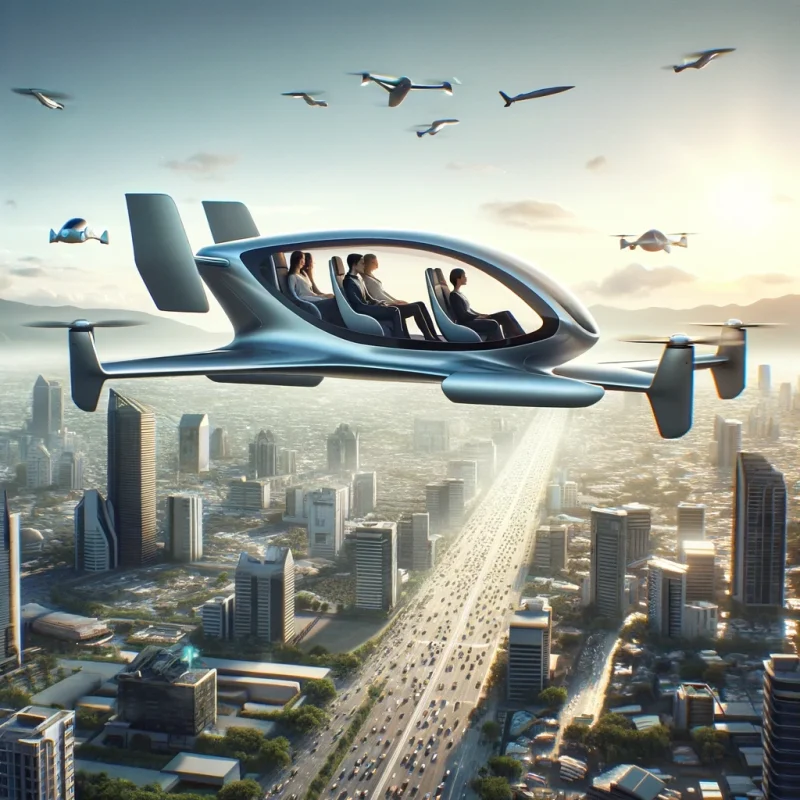
The future of urban air mobility, particularly with electric Vertical Takeoff and Landing (eVTOL) vehicles and flying cars, is on the brink of transforming transportation as we know it. Enthusiasm for this technology is not unfounded, given the rapid advancements in battery technology and electric propulsion systems, as well as increasing interest from companies and governments worldwide.

16
Feb
Feb
Electric Vertical Take-Off and Landing (eVTOL) vehicles represent a cutting-edge frontier in the quest for sustainable urban mobility. By harnessing electric propulsion, eVTOLs offer a tantalizing glimpse into a future where the carbon footprint of short-haul air travel and urban commutes is significantly reduced.
12
Feb
Feb
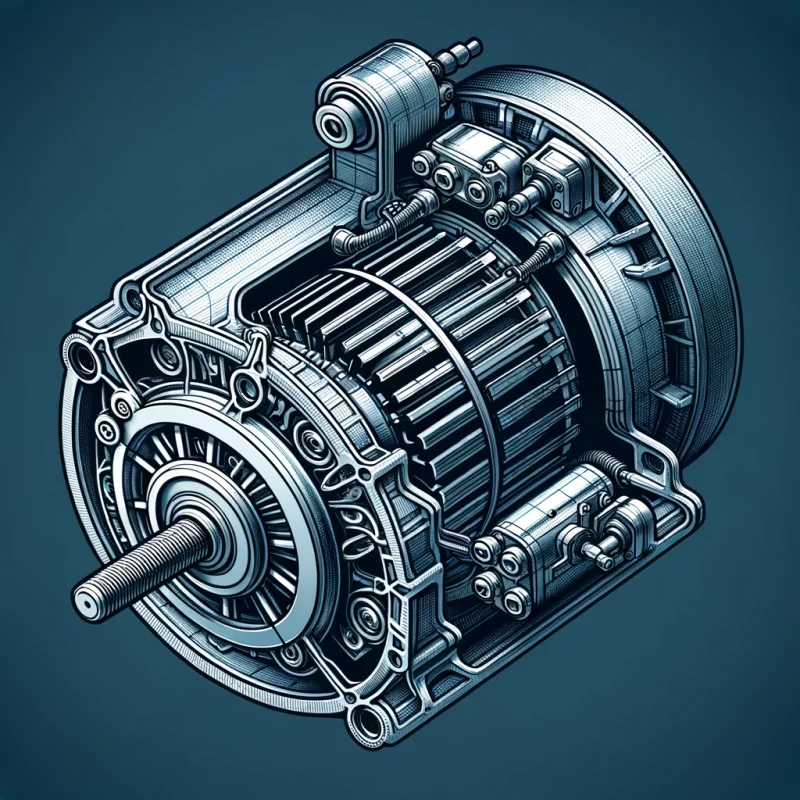
The emergence of electric vertical take-off and landing (eVTOL) vehicles and flying cars represents a significant leap forward in transportation technology, merging the convenience of aviation with the sustainability of electric propulsion. At the heart of these innovative vehicles lies the electric motor, a component whose design and technology play a pivotal role in enhancing their efficiency and feasibility.

03
Feb
Feb
In an era where technology and innovation intersect to redefine boundaries, WaveAerospace stands at the forefront with its latest venture into uncrewed air mobility. The company is poised to commence flight testing of its pioneering hybrid-electric vehicle, the Huntress Turbojet, a venture that underscores the potential of next-generation aviation technology.

02
Feb
Feb
The aviation industry stands at the brink of a transformation, with electric vertical takeoff and landing vehicles (eVTOLs) and flying cars poised to redefine urban mobility. These innovations promise not only to cut down on the carbon footprint of traditional aviation but also to significantly reduce noise pollution, offering a cleaner, quieter future. However, the environmental implications of electric aviation are complex, extending well beyond the reduction of emissions during flight.

28
Jan
Jan
XPENG AEROHT, a subsidiary of the renowned XPENG MOTORS, is pioneering the advancement of aerial mobility with its innovative flying cars, marking a significant leap in the evolution of transportation.