


The aviation industry is experiencing a paradigm shift as electric vertical take-off and landing (eVTOL) aircraft, electric planes, and flying cars are poised to revolutionize transportation. However, the widespread adoption of these electric aircraft relies heavily on advancements in battery technology.

18
Mar
Mar
In recent years, eVTOLs (electric vertical take-off and landing vehicles) have emerged as a promising alternative to conventional air transportation, offering the possibility of urban air mobility and reduced carbon emissions. As these innovative aircraft take to the skies, ensuring their safety is of paramount importance.

16
Mar
Mar
As urban landscapes become more congested and the demand for efficient transportation continues to grow, electric Vertical Takeoff and Landing (eVTOL) aircraft are emerging as a promising solution for urban air mobility. These electrically powered, innovative flying machines hold the potential to revolutionize the way we travel within cities and between regions. But before they can take to the skies and ferry passengers seamlessly, they must first navigate a complex web of regulations and certifications.

15
Mar
Mar
While many may perceive letter writing as antiquated in our digital age, postal services worldwide continue to process and deliver a significant volume of physical letters and packages. Japan is on the cusp of revolutionizing postal services by marrying traditional mail delivery methods with cutting-edge drone technology.

14
Mar
Mar
Australian Start-up Alauda Aeronautics is set to launch an Airspeeder competition, where flying cars will compete against each other next year. The electric vertical takeoff and landing (eVTOL) vehicles have already completed over 350 test flights and are powered by a one MW hydrogen turbo-generator and four wheel-like rotors that can be adjusted for vertical or horizontal flight. The Airspeeder Mark 4, the fourth-generation development of the vehicle, boasts an “artificial intelligence-powered gimbal thrust technology” that provides the precision of a Formula 1 car or fighter jet, making it maneuverable for racing.
13
Mar
Mar
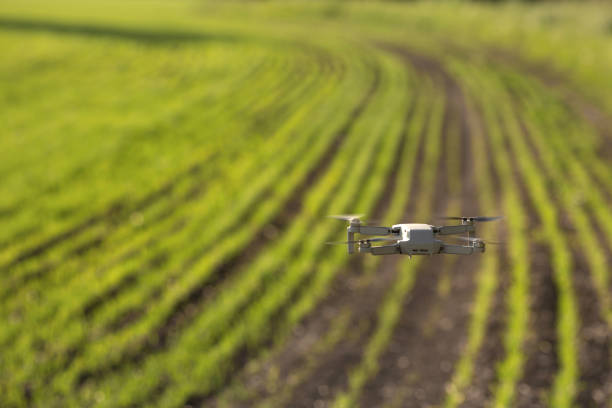
Drones have a new role in agriculture, with the ability to measure soil radioactivity to optimize crop yield. A smart sensor mounted on a drone can detect soil radioactivity from the air, providing data on soil health and mineral content.