


This niche, once relegated to the realms of science fiction, is now on the cusp of becoming a tangible component of our transportation ecosystem. As these aerial vehicles prepare to take to the skies, their growth rate, both in terms of technology and production, reveals a fascinating journey of innovation, challenges, and potential societal impacts.

05
Feb
Feb
The integration of Urban Air Mobility (UAM) into existing air traffic management (ATM) systems poses significant challenges and opportunities for the aviation industry. As cities worldwide look towards UAM as a solution to reduce congestion and improve transportation efficiency, regulatory bodies such as the Federal Aviation Administration (FAA) and the European Union Aviation Safety Agency (EASA) have initiated steps to develop frameworks that can accommodate both manned and unmanned aerial vehicles safely in urban environments.

04
Feb
Feb
The Federal Aviation Administration (FAA) is leading the way in developing certification standards for electric vertical take-off and landing (eVTOL) aircraft. This initiative is a significant step towards integrating these innovative air mobility solutions into the US airspace system and commercial air traffic.

18
Jan
Jan
EHang, a Chinese eVTOL (electric vertical take-off and landing) manufacturer, has made remarkable strides in the urban air mobility (UAM) sector. Their latest achievement, the EH216-S, represents a significant advancement in pilotless aerial transportation. This autonomous, two-seater air taxi, capable of carrying passengers without the need for a pilot, marks a new era in urban travel.

14
Jan
Jan
Soaring into the Future: Wisk Aero’s Revolutionary Urban Air Mobility
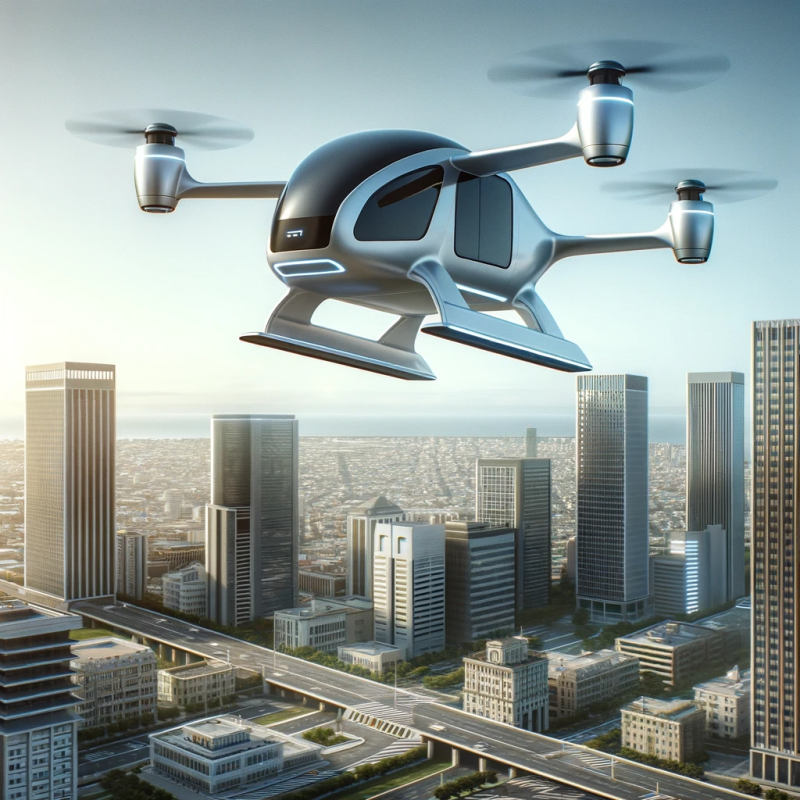
In a groundbreaking development, Wisk Aero, in collaboration with aerospace titan Boeing, has recently unveiled its updated Concept of Operations (ConOps) for Uncrewed Urban Air Mobility (UAM), charting a new course in aviation history. This pioneering document delineates the transition from crewed to uncrewed flights, focusing on integrating autonomous, electric aircraft into urban landscapes with an eye on safety, infrastructure, and airspace integration.
09
Jan
Jan
Urban Air Mobility (UAM) is evolving into a cornerstone of modern transportation, promising a future where air taxis and ride-sharing services soar above congested city streets. As we stand on the brink of this aerial revolution, it’s crucial to delve into the communication systems that will underpin its safety and efficiency.