


In the realm of technological innovation, few concepts capture the imagination quite like flying cars. Once relegated to the pages of science fiction, these marvels of engineering are inching closer to reality. As nations race to dominate this nascent industry, the potential economic benefits for the country that takes the lead are nothing short of extraordinary.

14
Jul
Jul
In the ever-evolving landscape of drone technology, a groundbreaking device is set to revolutionize the protection of these unmanned aerial vehicles on the battlefield. Remarkably, this innovation comes at a cost comparable to that of a smartphone.

06
Jul
Jul
Before we soar into the realm of AI optimization, let’s touch down on the basics of eVTOL technology. These futuristic aircraft, often likened to oversized drones, represent a convergence of electric propulsion, advanced materials, and sophisticated control systems. Unlike traditional helicopters, eVTOLs promise quieter operations, zero direct emissions, and the ability to operate from compact vertiports [small airports designed for aircraft that land and take off vertically] scattered throughout urban environments.

14
Jun
Jun
In a significant leap towards modernizing military aviation, Airbus has unveiled its cutting-edge Wingman concept at the International Aerospace Exhibition (ILA) in Berlin. This innovative project represents the confluence of advanced drone technology, artificial intelligence, and strategic military needs, aiming to revolutionize how combat missions are conducted.
24
Feb
Feb
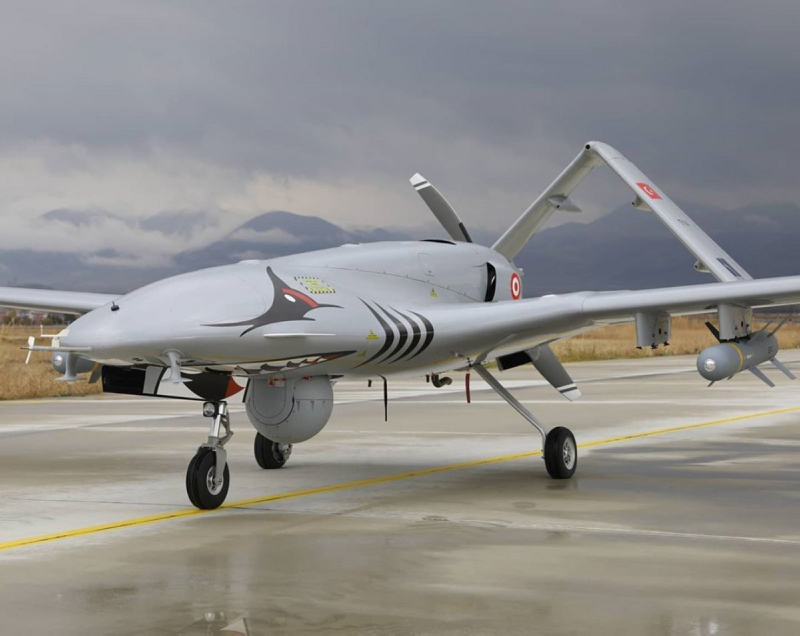
The role and future of military drones in warfare have become increasingly complex and multifaceted, with implications that stretch across ethical, tactical, and geopolitical domains. The proliferation of mass-market military drones has notably shifted the dynamics of modern warfare, enabling smaller nations and non-state actors to deploy air capabilities that were once the exclusive domain of major military powers.

14
Jan
Jan
In the burgeoning field of urban air mobility, the integration of Artificial Intelligence (AI) into eVTOLs (Electric Vertical Take-Off and Landing vehicles) heralds a transformative era. These aircraft, poised to redefine urban transportation, are not mere figments of futuristic imagination but tangible manifestations of advanced technology. AI’s role is multifaceted, underpinning crucial aspects such as navigation, obstacle avoidance, and split-second decision making.