


In recent years, the aviation industry has witnessed a remarkable surge in the development of electric vertical takeoff and landing (eVTOL) aircraft. These futuristic flying machines promise to revolutionize urban mobility, offering a sustainable and efficient alternative to conventional air travel.

27
May
May
Several countries are significantly investing in the development of electric vertical take-off and landing (eVTOL) aircraft, recognizing their potential to revolutionize urban mobility and reduce carbon emissions. Here is an in-depth look at the leading nations in this burgeoning field.

18
May
May
Skyports, a pioneering British drone manufacturer, is gearing up to launch Europe’s first air taxis in 2026. After securing a substantial $110 million in funding, the company is poised to revolutionize urban transportation with its electric vertical take-off and landing (eVTOL) aircraft. Skyports has already demonstrated the potential of eVTOLs through successful transport and surveillance tests. This significant financial boost brings the concept of commercial air taxis closer to becoming a reality for passenger transport.
27
Feb
Feb
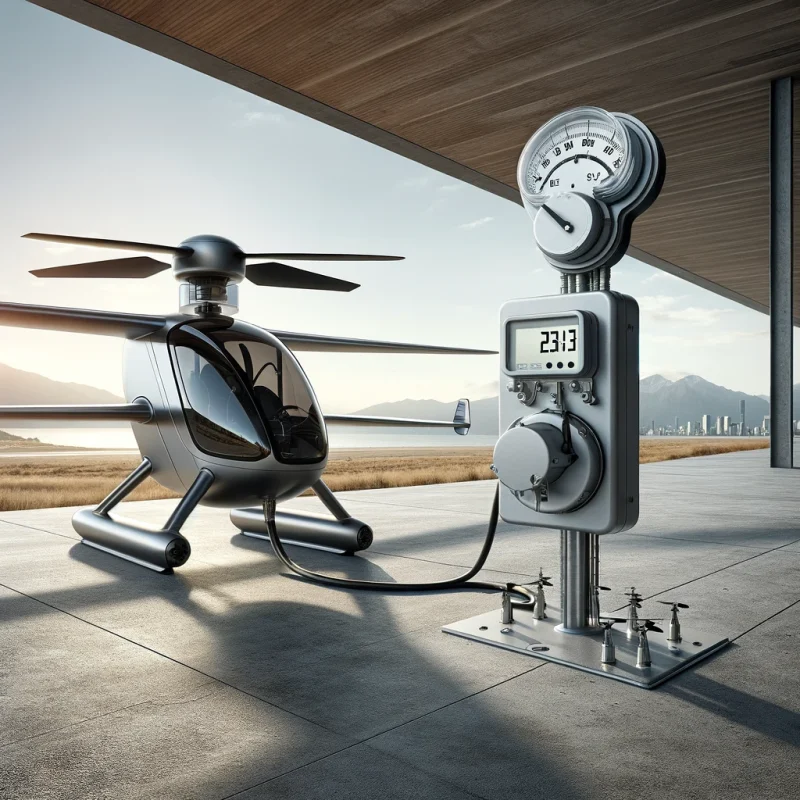
Typically, the energy appetite of an eVTOL ranges between 200 to 300 watt-hours per kilometre (Wh/km). This consumption is influenced by a myriad of factors including the design architecture of the vehicle, its cruising altitude, velocity, and the weight it carries. When juxtaposed with electric cars, which sip energy at a rate of about 150 Wh/km, the stark contrast underscores the more intensive energy needs of aerial travel.

26
Feb
Feb
This niche, once relegated to the realms of science fiction, is now on the cusp of becoming a tangible component of our transportation ecosystem. As these aerial vehicles prepare to take to the skies, their growth rate, both in terms of technology and production, reveals a fascinating journey of innovation, challenges, and potential societal impacts.

18
Feb
Feb
The evolution of flying car technology over the next decade is poised to transform the landscape of personal and urban transportation, driven by rapid advancements in engineering, energy storage, and autonomous systems.