


As the aviation industry grapples with the urgent need to reduce its carbon footprint, electric planes have emerged as a promising solution. However, these aircraft face a unique challenge: managing the significant heat generated by their high-capacity batteries.

19
Jun
Jun
The aviation industry, traditionally known for its significant carbon footprint, is on the cusp of a green revolution with the advent of electric planes. These aircraft promise to reduce emissions and offer a sustainable alternative to conventional fossil fuel-powered jets. However, the path to widespread adoption is fraught with challenges and trade-offs.

02
Jun
Jun
The aviation industry is on the cusp of a transformative shift towards sustainability, largely driven by the burgeoning field of electric aircraft. Central to this evolution are strategic partnerships between aviation companies and research institutions. These collaborations are pivotal in overcoming technical hurdles, accelerating innovation, and paving the way for a greener future in air travel.

14
Mar
Mar
The environmental benefits of electric aviation are underpinned by the shift from burning fossil fuels to using electricity, which, when sourced from renewable energy, can virtually eliminate carbon emissions associated with air travel.

05
Jan
Jan
By the middle of the decade, Denmark would allow passengers to board environmentally friendly planes when travelling within the country. Denmark would green its domestic flights by 2030, meaning that by the end of the decade only zero-emission aircraft would fly within the country’s borders. This was announced by Mette Frederiksen, Prime Minister of Denmark.
12
Mar
Mar
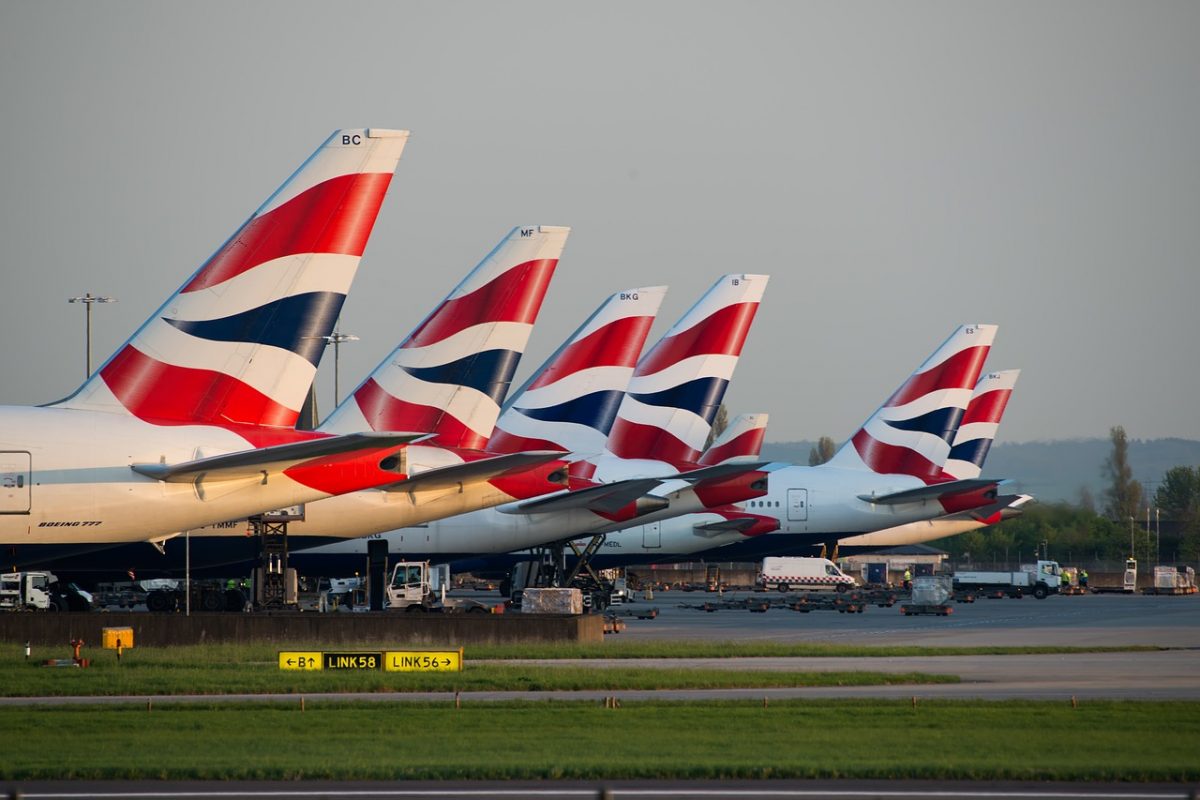
The first electric-powered commercial passenger models will be able to land for free for a full year at the UK’s largest airport. Industry experts expect the first copies to be available after 2030. John Holland-Kaye, CEO of Heathrow Airport, spoke about the special procedure at a BusinessGreen Leaders Summit in London as part of a series of events called ‘Green Great Britain Week’.
- 1
- 2