


Boom Supersonic, a pioneering aerospace company, is setting new benchmarks in aviation history with its revolutionary supersonic aircraft, the XB-1. Following its historic first test, the XB-1 soared through the skies again on February 1, marking another major milestone in the journey to revive commercial supersonic travel. The aircraft first shattered the sound barrier during its January test flight and subsequently achieved supersonic speeds three more times during its latest mission.

04
Feb
Feb
Boom Supersonic’s experimental aircraft, the XB-1, has officially broken the sound barrier, marking a major advancement in supersonic aviation technology and bringing commercial supersonic travel one step closer to reality.

17
Jun
Jun
The “new Concorde” could carry passengers at five times the speed of sound, promising to revolutionize air travel. For now, the concept of the Sky Magnetar aircraft, which aims to rival NASA’s developments, remains purely theoretical.
29
Aug
Aug
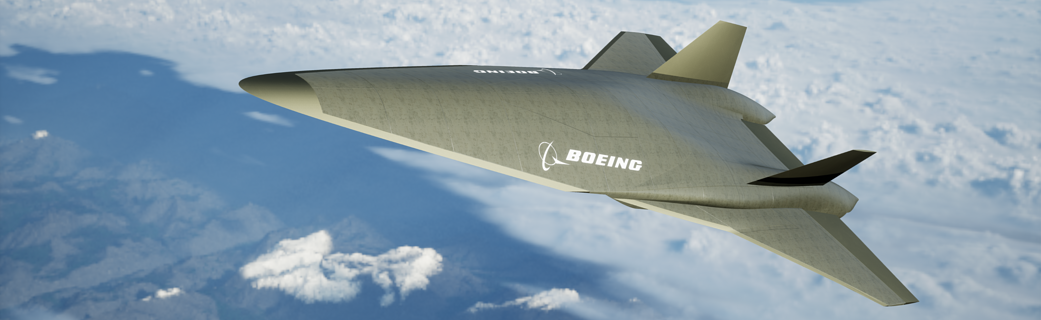
Imagine soaring from New York to London in less time than it takes to finish an average movie. NASA’s recent groundbreaking venture is aimed at revolutionizing transatlantic travel. They’ve embarked on the creation of a supersonic passenger jet that boasts a blistering top speed of Mach 4 (approximately 4,900 km/h). To put this in perspective, this not only doubles Concorde’s impressive Mach 2 (2,450 km/h) speed but also outpaces the famed SR-71 Blackbird spy plane that had a design speed of Mach 3.2 (3,920 km/h).

25
Jan
Jan
In 2029, it will be more than a quarter of a century since the legendary Concorde embarked on its final journey, the size Boom Supersonic plans to service Overture, the first passenger carrier since Concorde to be faster than the speed of sound.