


The environmental benefits of electric aviation are underpinned by the shift from burning fossil fuels to using electricity, which, when sourced from renewable energy, can virtually eliminate carbon emissions associated with air travel.

09
Mar
Mar
Electric planes are emerging as a promising solution to the environmental challenges posed by traditional aviation, offering the potential for zero emissions at the point of use, reduced noise pollution, and lower operational costs. Companies like Eviation with their Alice aircraft and Airbus with the E-Fan X project are at the forefront of this innovation, developing electric planes that are already undergoing test flights.

06
Mar
Mar
The transition toward electric aircraft represents a transformative leap for the aviation industry, promising to reshape the economics of flying while addressing urgent environmental concerns. This exploration delves into the myriad of economic challenges and opportunities that electric aircraft embody, juxtaposed against their traditional, combustion engine counterparts.

28
Feb
Feb
Unlike traditional aircraft, eVTOLs are designed to operate in densely populated areas, offering a swift, environmentally friendly alternative to road transport. Their impact on infrastructure is profound, encompassing everything from airspace management to the construction of vertiports and the integration into existing urban landscapes.
27
Feb
Feb
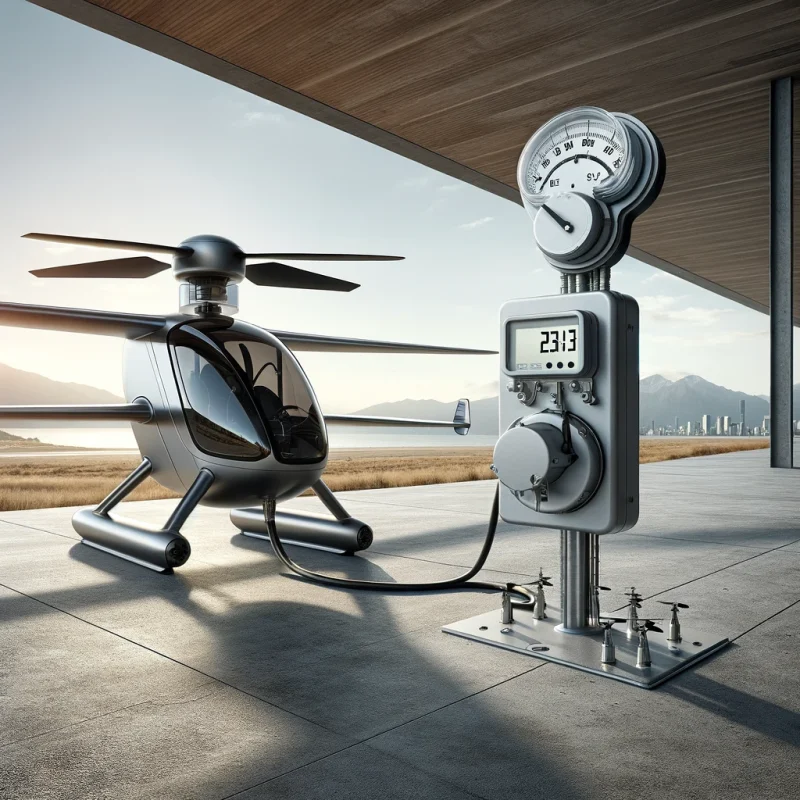
Typically, the energy appetite of an eVTOL ranges between 200 to 300 watt-hours per kilometre (Wh/km). This consumption is influenced by a myriad of factors including the design architecture of the vehicle, its cruising altitude, velocity, and the weight it carries. When juxtaposed with electric cars, which sip energy at a rate of about 150 Wh/km, the stark contrast underscores the more intensive energy needs of aerial travel.
19
Feb
Feb
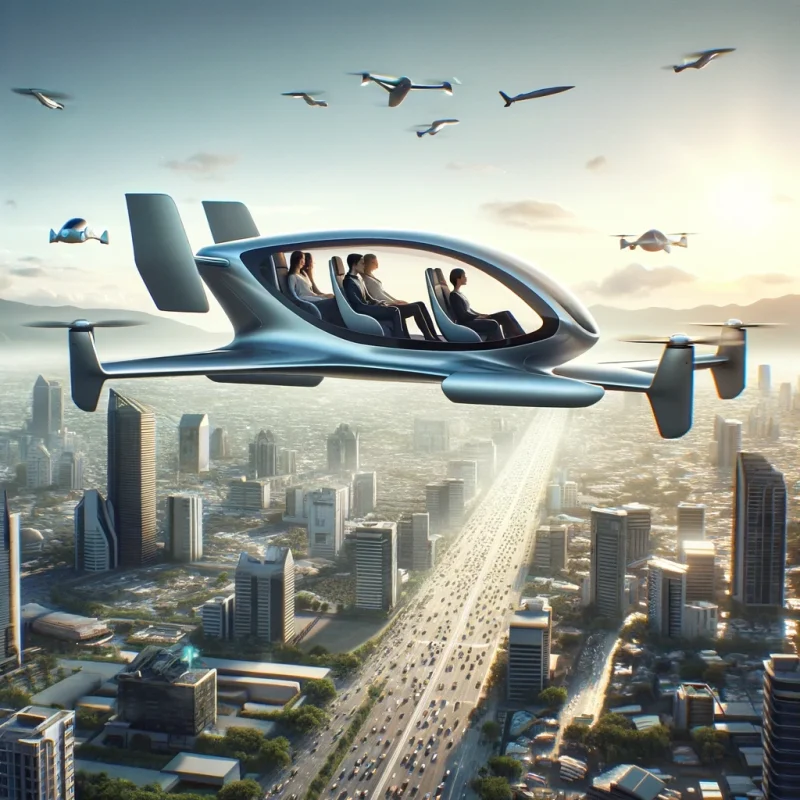
The future of urban air mobility, particularly with electric Vertical Takeoff and Landing (eVTOL) vehicles and flying cars, is on the brink of transforming transportation as we know it. Enthusiasm for this technology is not unfounded, given the rapid advancements in battery technology and electric propulsion systems, as well as increasing interest from companies and governments worldwide.