


Imagine a world where the skies are filled not just with birds, but also with cars. The once dreamy notion of flying cars, inspired by science fiction writers and futurists, is nearing reality. As we stand at the brink of this transportation revolution, it’s vital to delve into the multifaceted economic implications of such a radical shift. While the dazzling view from our windows may spell progress and innovation, it also beckons numerous questions about our economic future.
29
Aug
Aug
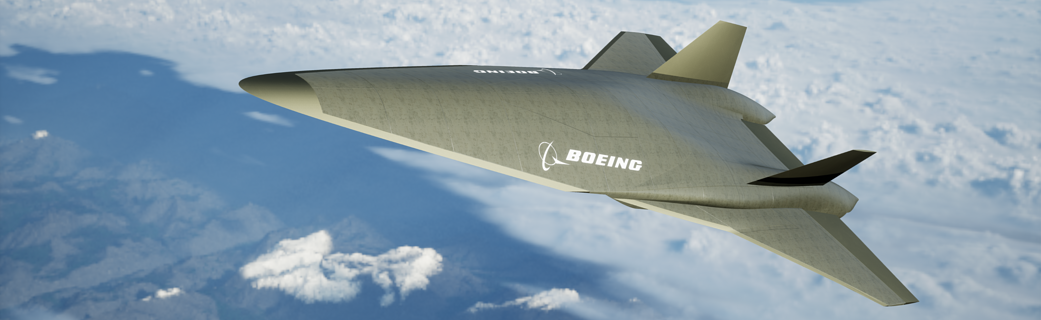
Imagine soaring from New York to London in less time than it takes to finish an average movie. NASA’s recent groundbreaking venture is aimed at revolutionizing transatlantic travel. They’ve embarked on the creation of a supersonic passenger jet that boasts a blistering top speed of Mach 4 (approximately 4,900 km/h). To put this in perspective, this not only doubles Concorde’s impressive Mach 2 (2,450 km/h) speed but also outpaces the famed SR-71 Blackbird spy plane that had a design speed of Mach 3.2 (3,920 km/h).

28
Aug
Aug
In a landmark decision, the US Federal Aviation Administration (FAA) has given the nod to Pyka, an Oakland-based manufacturer, permitting its autonomous Pelican sprayer to take to the skies. Michael Norcia, the visionary leading Pyka as its CEO, anticipates a revolution in agriculture, where autonomous electric aircraft could be as common as tractors within half a decade.

27
Aug
Aug
In a spectacular display of technological prowess, Autoflight, a joint venture between German and Chinese talents, recently showcased the advanced capabilities of their newest Prosperity aircraft. This cutting-edge eVTOL (electric Vertical Takeoff and Landing – a type of aircraft that can take off, hover and land vertically) astonishingly covered a distance of 250 kilometres within a span of 98 minutes, solely powered by its onboard battery.

26
Aug
Aug
The aviation industry, a major player in global CO2 emissions at approximately 2.4 percent, has long grappled with the challenge of going electric. It’s an essential move, considering the escalating need to address climate change. Euronews highlights this global push towards electrification as both a challenge and an opportunity.

25
Aug
Aug
In recent developments, the US Air Force has steered its focus towards a paradigm shift in drone warfare, moving from the conventional “expendable” perspective to a more sustainable “affordable mass” concept. This transformation underscores a balanced approach where cost-effectiveness meets tactical advantage.