


In the rapidly evolving landscape of aviation technology, the integration of machine learning systems into eVTOLs (electric Vertical Take-Off and Landing aircraft), flying cars, and drones presents a groundbreaking shift toward smarter, safer, and more efficient operations. This fusion of advanced aviation with artificial intelligence (AI) not only propels the capabilities of these aerial vehicles to unprecedented levels but also opens the door to innovative applications that were once the realm of science fiction.

05
Mar
Mar
The emerging electric Vertical Takeoff and Landing (eVTOL) and flying car industry is on the brink of revolutionizing urban mobility, offering a promising solution to the perennial problems of traffic congestion, air pollution, and long commute times. However, manufacturers in this nascent sector face a myriad of business, strategic, and safety challenges that must be navigated to secure a strong market position.
28
Feb
Feb
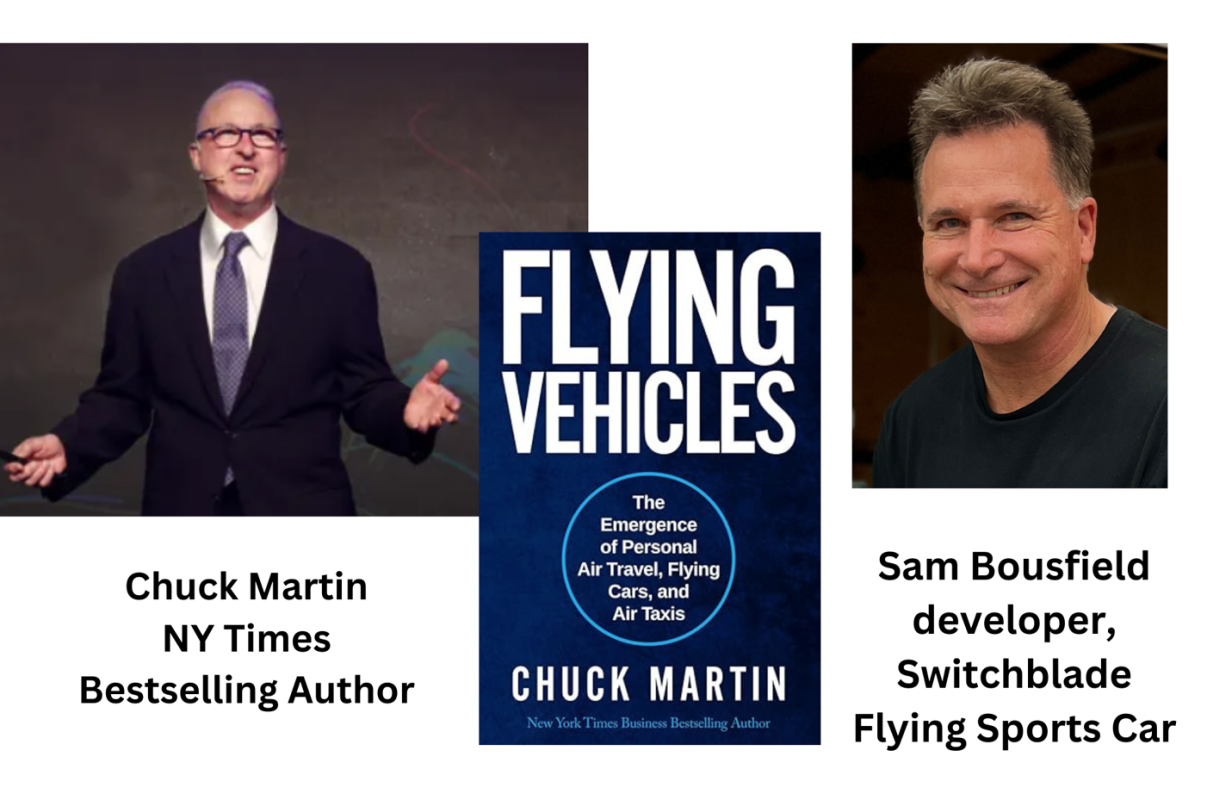
In a significant nod to the future of transportation, the Switchblade Flying Sports Car has been prominently featured in the groundbreaking book Flying Vehicles – The Emergence of Personal Air Travel, Flying Cars, and Air Taxis, penned by the acclaimed futurist and NY Times Business Bestselling Author, Chuck Martin.

28
Feb
Feb
Unlike traditional aircraft, eVTOLs are designed to operate in densely populated areas, offering a swift, environmentally friendly alternative to road transport. Their impact on infrastructure is profound, encompassing everything from airspace management to the construction of vertiports and the integration into existing urban landscapes.

26
Feb
Feb
This niche, once relegated to the realms of science fiction, is now on the cusp of becoming a tangible component of our transportation ecosystem. As these aerial vehicles prepare to take to the skies, their growth rate, both in terms of technology and production, reveals a fascinating journey of innovation, challenges, and potential societal impacts.

22
Feb
Feb
The advent of flying cars and Electric Vertical Takeoff and Landing (eVTOL) vehicles heralds a transformative shift in urban and regional transportation. However, this innovation comes with a complex array of safety concerns that must be meticulously addressed to ensure their successful integration into daily life and airspace.