


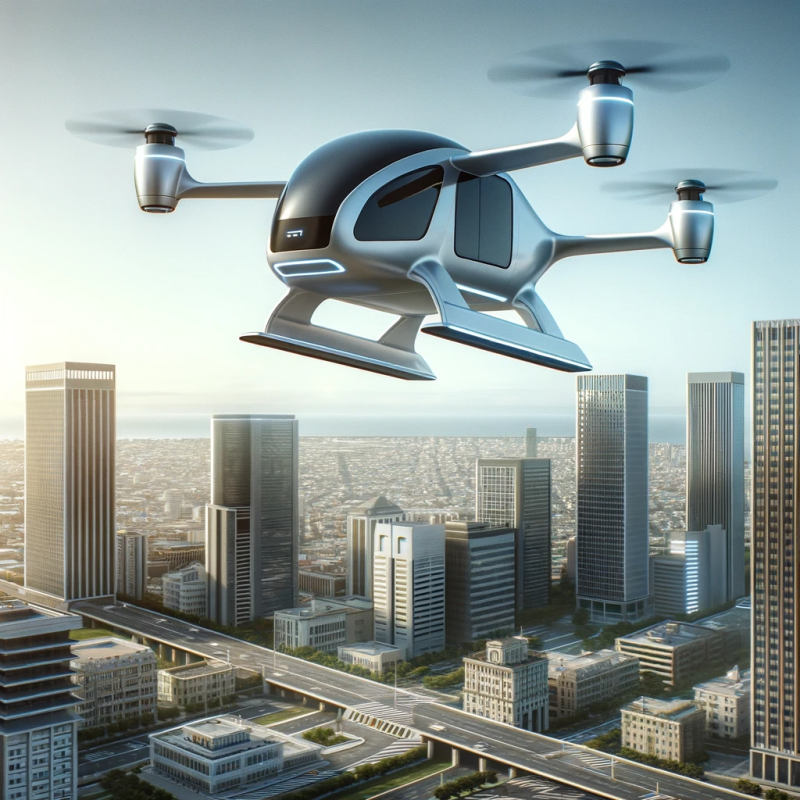
The transportation landscape is on the cusp of a revolutionary transformation, with electric vertical takeoff and landing vehicles (eVTOLs), flying cars, and electric planes poised to take flight and reshape how we travel. This burgeoning industry, often referred to as electric vertical aerospace (EVA), has ignited a global race for air mobility supremacy, attracting a multitude of stakeholders vying for a coveted position in the skies.

05
Mar
Mar
The emerging electric Vertical Takeoff and Landing (eVTOL) and flying car industry is on the brink of revolutionizing urban mobility, offering a promising solution to the perennial problems of traffic congestion, air pollution, and long commute times. However, manufacturers in this nascent sector face a myriad of business, strategic, and safety challenges that must be navigated to secure a strong market position.

17
Feb
Feb
The integration of satellite communication technology into the operation and navigation of eVTOLs (Electric Vertical Takeoff and Landing vehicles) marks a significant leap towards the realization of advanced air mobility (AAM). Companies like Honeywell are at the forefront of developing sophisticated avionics and communication systems to ensure these futuristic aircraft can safely navigate urban skies.

05
Feb
Feb
The integration of Urban Air Mobility (UAM) into existing air traffic management (ATM) systems poses significant challenges and opportunities for the aviation industry. As cities worldwide look towards UAM as a solution to reduce congestion and improve transportation efficiency, regulatory bodies such as the Federal Aviation Administration (FAA) and the European Union Aviation Safety Agency (EASA) have initiated steps to develop frameworks that can accommodate both manned and unmanned aerial vehicles safely in urban environments.

04
Feb
Feb
The Federal Aviation Administration (FAA) is leading the way in developing certification standards for electric vertical take-off and landing (eVTOL) aircraft. This initiative is a significant step towards integrating these innovative air mobility solutions into the US airspace system and commercial air traffic.
09
Jan
Jan
Urban Air Mobility (UAM) is evolving into a cornerstone of modern transportation, promising a future where air taxis and ride-sharing services soar above congested city streets. As we stand on the brink of this aerial revolution, it’s crucial to delve into the communication systems that will underpin its safety and efficiency.