


Building a vertiport, the infrastructure necessary for the operation of electric vertical takeoff and landing (eVTOL) vehicles, involves a complex interplay of design standards, regulatory requirements, and technological considerations. The development of vertiports is a crucial step in advancing urban air mobility (UAM) and integrating eVTOLs into the urban landscape for passenger and cargo transport.

22
Feb
Feb
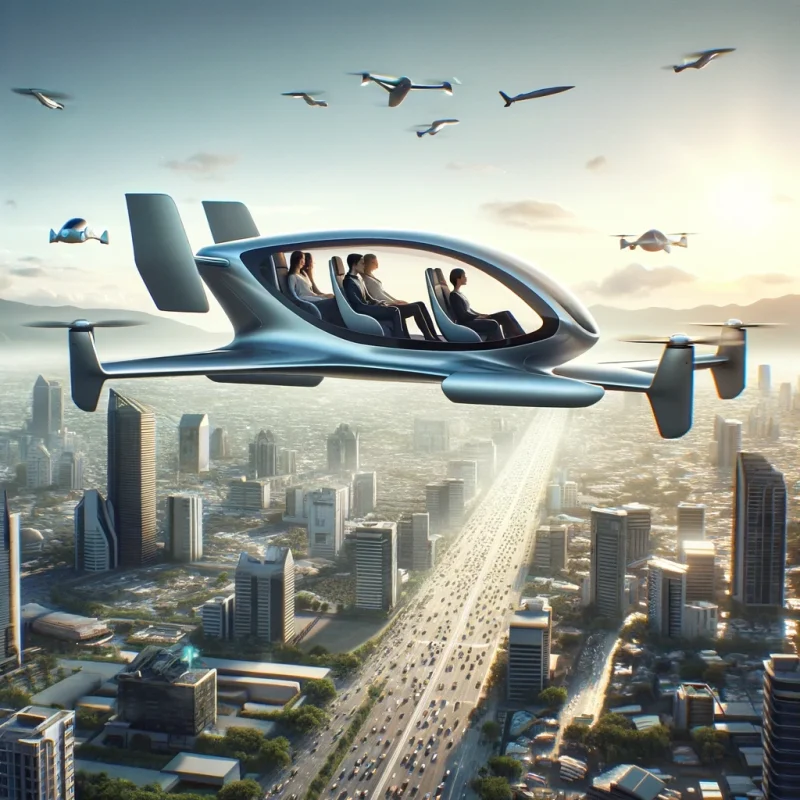
The advent of flying cars and Electric Vertical Takeoff and Landing (eVTOL) vehicles heralds a transformative shift in urban and regional transportation. However, this innovation comes with a complex array of safety concerns that must be meticulously addressed to ensure their successful integration into daily life and airspace.
19
Feb
Feb
The future of urban air mobility, particularly with electric Vertical Takeoff and Landing (eVTOL) vehicles and flying cars, is on the brink of transforming transportation as we know it. Enthusiasm for this technology is not unfounded, given the rapid advancements in battery technology and electric propulsion systems, as well as increasing interest from companies and governments worldwide.

01
Feb
Feb
The development of electric vertical take-off and landing (eVTOL) aircraft represents a significant advancement in aviation technology, offering a promise of revolutionizing urban transport. The Air Force’s Agility Prime initiative, launched in April 2020, underlines the military’s interest in nurturing this nascent sector. Agility Prime seeks to accelerate the commercial market for advanced air mobility vehicles while enhancing military capabilities.

27
Jan
Jan
To introduce an article on the advancements in noise reduction technology for eVTOLs, it’s essential to provide context and set the stage for the detailed information that follows. Here’s a suggested introduction:
In the burgeoning era of urban air mobility, the integration of electric Vertical Take-Off and Landing (eVTOL) vehicles into our daily lives is becoming an increasingly tangible reality. However, amidst the excitement and potential of this revolutionary mode of transportation, a critical challenge looms large: noise pollution. The concern for urban tranquility and environmental soundscapes has propelled noise reduction to the forefront of eVTOL design and development.

27
Jan
Jan
The emerging electric Vertical Take-Off and Landing (eVTOL) aircraft market, projected to reach a staggering $24.22 billion by 2030, is at the forefront of a major transportation revolution. Driven by a combination of environmental imperatives and technological advancements, particularly in battery technology, this market is reshaping the future of urban mobility.