


With companies like Boeing and Airbus investing heavily in the technology, and cities around the world looking for new solutions to reduce congestion and air pollution, the potential for Evtols to revolutionize transportation is clear. But what can we expect from the Evtol market in the coming years ?

18
Jan
Jan
In a unique pilot project, Rossmann carried out a test flight from the Savoya Park shopping centre to the suburban area of the 3rd district. With the help of its logistics partner DODO, Rossmann is testing drone home delivery in Budapest, the chain said in a statement.

17
Jan
Jan
Electric vertical takeoff and landing (eVTOL) aircraft, commonly known as flying cars, have the potential to revolutionize the way we travel. These aircraft offer an efficient and sustainable mode of transportation that could greatly reduce traffic congestion on the ground. However, before eVTOLs can become a reality, there are significant challenges that must be addressed, particularly in the area of air traffic control and air navigation services.

16
Jan
Jan
As the technology of flying cars continues to evolve, one of the most pressing concerns is the safety of such vehicles. As flying cars can soar over busy cities and highways, preventing accidents is a high stakes issue.

15
Jan
Jan
Ryse Aero Technologies, a US company, introduced a large drone at CES in Las Vegas that can lift off vertically, fly and land vertically and is powered by electricity. The drone, called Recon, is intended to be easy to operate and available to individuals with any level of flying experience or certification.
14
Jan
Jan
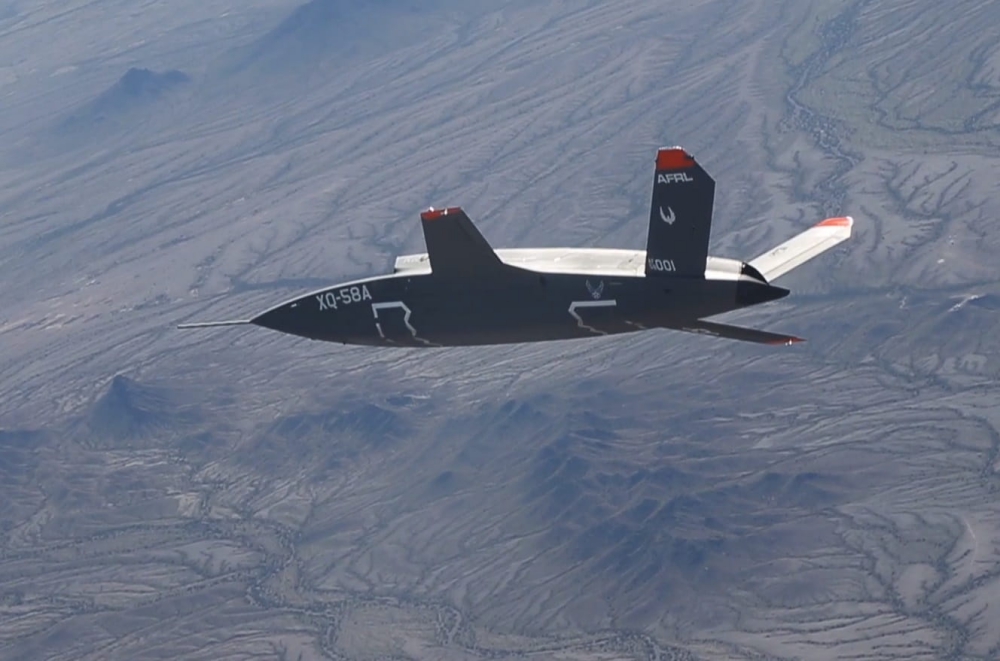
The first XQ-58A Valkyrie drone, also known as Tail #1, that was tested by the Air Force will be placed in the National Museum of the U.S. Air Force after a few test flights, as reported by Popular Science. The unmanned Valkyrie drones were designed to be autonomous escorts for more expensive fighter jets during the Air Force’s experiments.