


The exciting plans of previous years seem to have split aviatics in two: a large number of the concepts seeking new propulsion systems are electric-powered air taxis for up to four people, mainly for urban use, and are being pursued by many start-ups, even small ones, from China to America; on the other hand, the large aircraft world is starting to see variations, such as the hydrogen and hybrid aircraft announced in the Airbus ZEROe programme, with a promised entry into service in 2035.

03
May
May
It is not certain that electricity will be the end of mobility, but it cannot be left out of the equation for the time being. Airbus has now found a way to make it more efficient.

07
Apr
Apr
Finnair is also entering the competition for the introduction of electric passenger carriers, and the company has signed a letter of intent to buy zero-emission aircraft. If everything goes according to plan and an actual contract is signed, the first copies can be taken over this decade.

01
Apr
Apr
Airbus has embarked on a new development program examining the applicability of superconductors cooled to near-zero temperature. This is expected to lead to significant weight reductions, which could advance the development of electric-powered aircraft. In contrast to conventional-powered aircraft, there is still a huge problem with the development of electrical types, and the mass of batteries in particular, which is why most developers are still thinking only of smaller models.

13
Mar
Mar
Rolls-Royce has partnered with aircraft manufacturer Tecnam and Norwegian airline Wideroe to create a new electric passenger carrier, with the goal of having such an aircraft powered by regional short-haul flights by 2026. One of Scandinavia’s most important regional airlines is Wideroe in Norway, which is committed to environmental protection: it strives to operate modern, fuel-efficient aircraft in its fleet and is now also pioneering the development of electric propulsion.
12
Mar
Mar
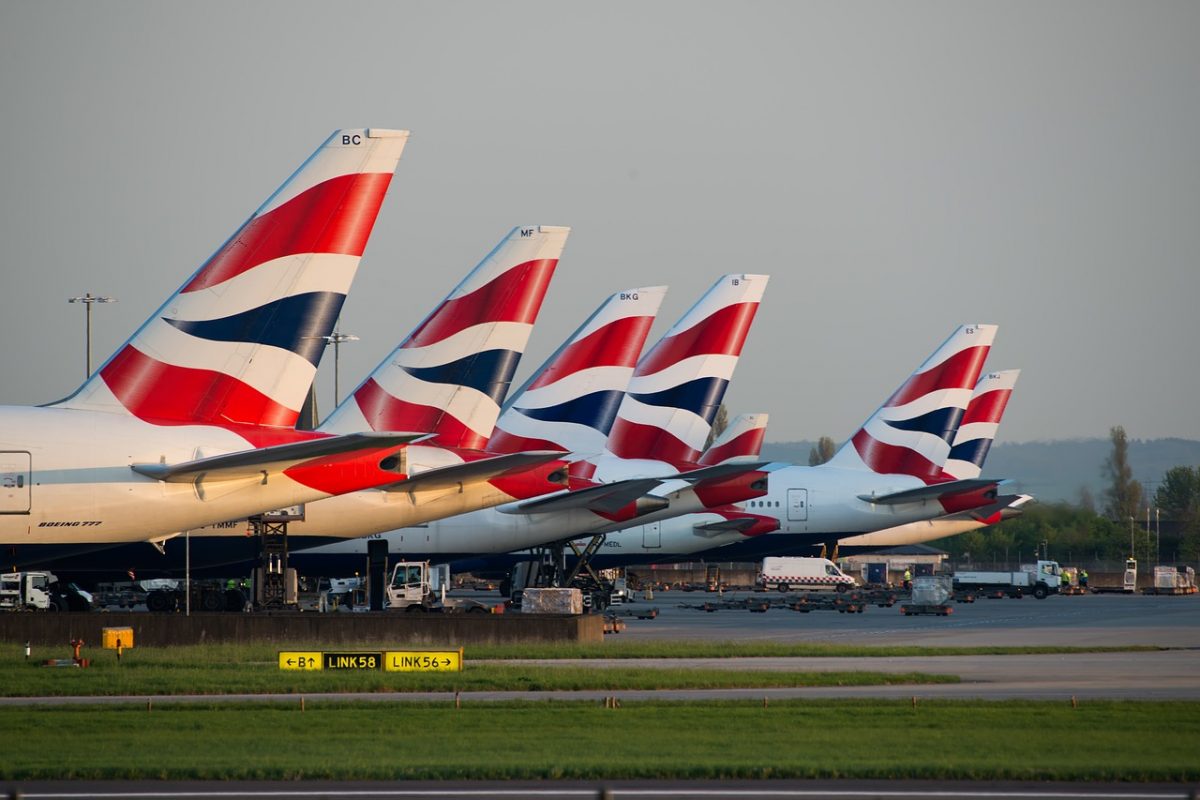
The first electric-powered commercial passenger models will be able to land for free for a full year at the UK’s largest airport. Industry experts expect the first copies to be available after 2030. John Holland-Kaye, CEO of Heathrow Airport, spoke about the special procedure at a BusinessGreen Leaders Summit in London as part of a series of events called ‘Green Great Britain Week’.